
Composite Bonding: What It Is & How Long It Lasts
If you’ve got a chipped tooth, a small gap, or teeth that look slightly uneven, composite bonding is one of the most common ways dentists fix it. It’s quick, it doesn’t usually involve removing much of your natural tooth, and it’s often finished in a single appointment. But like any cosmetic treatment, it’s worth understanding exactly what it involves and how long you can expect it to last before booking anything in.
What Is Composite Bonding?
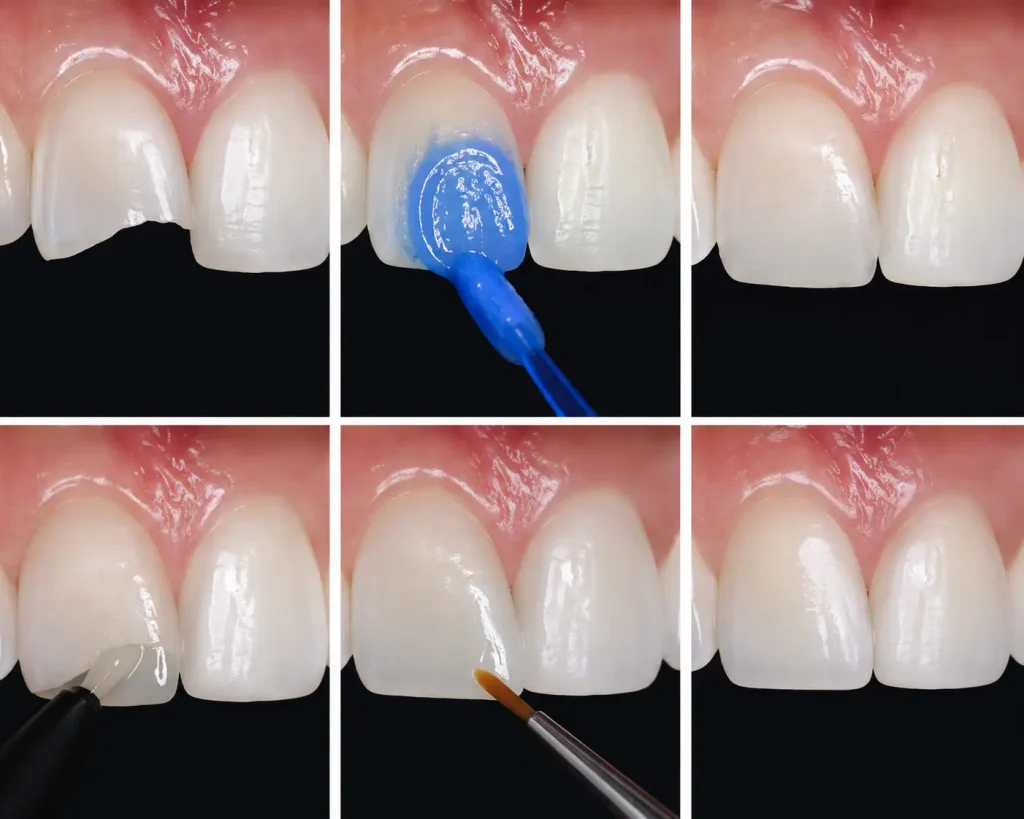
Composite bonding, sometimes called dental bonding or tooth bonding, is a cosmetic treatment where a tooth-coloured resin is applied directly to the surface of a tooth. The dentist shapes and smooths the resin to match the tooth’s natural contours, then hardens it using a curing light.
It’s considered one of the least invasive cosmetic dental treatments available. Unlike veneers or crowns, which typically require some reduction of the natural tooth to make room for the new material, bonding is usually applied straight onto the existing tooth surface with little to no preparation needed.
What Can Composite Bonding Fix?
Composite bonding is versatile, which is part of why it’s so widely used. Common reasons patients choose it include:
Closing small gaps between teeth without the time and cost of orthodontics. Repairing chips or minor cracks caused by an accident or everyday wear. Improving the shape or length of a tooth that looks uneven next to its neighbours. Covering discolouration that whitening alone hasn’t fully addressed.
It’s generally best suited to smaller, cosmetic fixes rather than significant structural damage or extensive alignment issues, where a crown, veneer, or orthodontic treatment may be more appropriate.
How Long Does Composite Bonding Last?
This is the question most patients want answered before committing to treatment, and the honest answer is that it depends on where the bonding is and how you look after it.
On average, composite bonding lasts between five and ten years. Bonding on front teeth tends to last longer, often toward the upper end of that range, because front teeth do far less of the heavy chewing work than teeth further back in the mouth. Bonding placed on molars, which absorb much more biting pressure, tends to wear down faster and may need attention sooner.
A few things influence how long yours will hold up:
Your bite and habits. Grinding or clenching your teeth, particularly overnight, puts extra pressure on bonded teeth and can shorten their lifespan. A night guard is often recommended if this applies to you.
What you eat and drink. Composite resin can pick up staining over time, particularly from coffee, tea, red wine, and similarly pigmented foods. Biting into very hard foods, or using your teeth to open packaging, also raises the risk of chipping.
Oral hygiene. Regular brushing, flossing, and dental check-ups help protect both the bonding and the natural tooth underneath it.
The skill of the treatment. A well-placed, well-finished bond tends to hold up better and look more natural for longer than one that was rushed or poorly matched to the surrounding teeth.
None of this means bonding is fragile. It simply has a realistic lifespan, and knowing that upfront means you won’t be caught off guard when it eventually needs a touch-up or replacement.
Composite Bonding vs Veneers vs Crowns
Bonding sits at one end of a spectrum of cosmetic and restorative options, and it’s worth understanding where it fits.
Composite bonding is the least invasive of the three, usually requires no anaesthetic, and can often be completed in one visit. It’s more affordable upfront but has the shortest typical lifespan and is more prone to staining than the alternatives.
Porcelain veneers are thin custom-made shells bonded to the front of the tooth. They require more preparation than bonding, but they’re more resistant to staining and generally last considerably longer, often well over a decade with good care.
Dental crowns cover the entire tooth rather than just the front surface, making them the most durable of the three. They’re typically reserved for teeth with more significant structural damage rather than purely cosmetic concerns, since they involve removing more of the natural tooth to fit.
If you’re weighing up composite bonding against a more permanent option, this is exactly the kind of thing worth raising at a consultation, since the right choice depends on what you’re trying to fix and how long you want the result to last.
How to Make Composite Bonding Last Longer
A few simple habits go a long way toward getting the most out of your bonding.
Avoid using your teeth as tools, whether that’s opening packaging, biting nails, or chewing on pens. Cut back on prolonged exposure to staining foods and drinks where you can, or rinse your mouth with water afterwards. Keep up with your regular brushing and flossing routine, and don’t skip dental check-ups, since small issues are far easier to fix early. If you grind your teeth at night, ask about a night guard to protect both your natural teeth and any bonded ones.
Is Composite Bonding Right for You?
Composite bonding tends to suit patients with minor cosmetic concerns who want a fast, relatively affordable fix without committing to a more involved procedure. It’s a popular starting point for chips, gaps, and shape adjustments, and it pairs well with other cosmetic treatments like teeth whitening if you’re looking for a broader smile refresh.
It may be less suitable if you have more significant damage, heavy grinding habits that would quickly wear it down, or if you’re after a longer-lasting result and don’t mind a bit more upfront preparation, in which case veneers or crowns are worth discussing instead.
A proper assessment is the only way to know which option genuinely fits your situation, so if you’re considering aesthetic dentistry to improve your smile, get in touch to talk through what would work best for you.