
Frequently Asked Questions
Snapfit Dentures
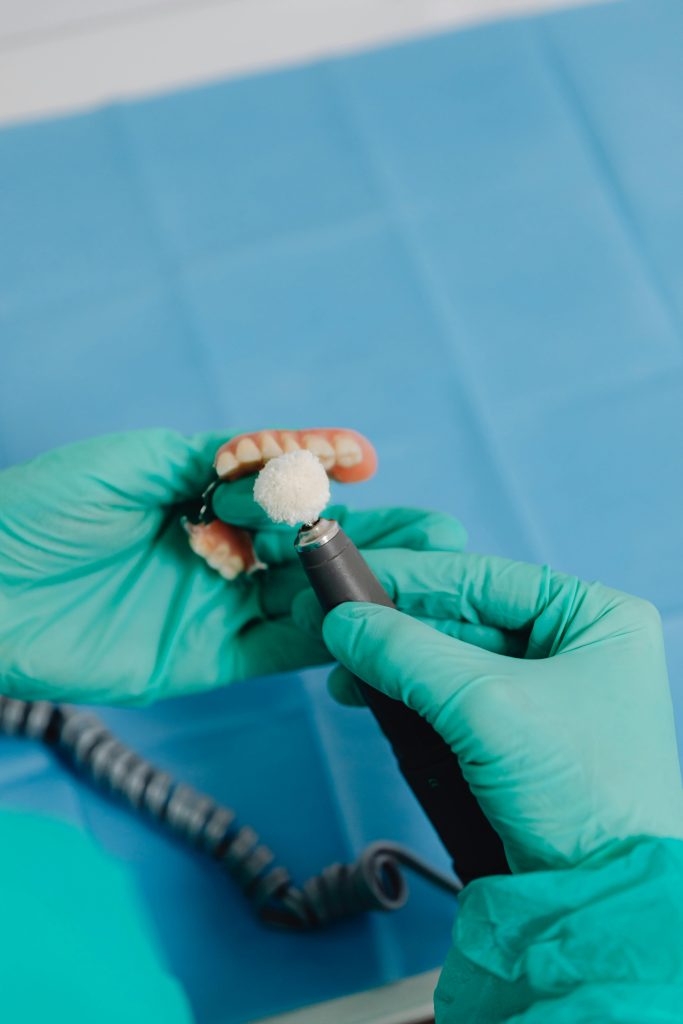
SnapFit Dentures provide greater stability, improved chewing ability and better long-term bone support compared to traditional removable dentures. Because they are anchored to implants, they do not require adhesive and offer significantly improved comfort.
Most Snap-fit dentures are supported by 2–4 dental implants per arch. The exact number depends on your bone density and the level of stability required, which your dentist will determine during your consultation.
With proper care, implant-retained dentures can last many years.
The implant placement procedure is carried out under local anaesthetic for comfort. Most patients report manageable recovery.
Treatment timelines vary, but many patients complete their journey within a few months.
Many patients who were told they couldn’t have implants are actually great candidates for SnapFit Dentures. Our 3D scans allow us to find the best bone support available.
For pricing and detailed treatment options, contact us.
Dental Implants
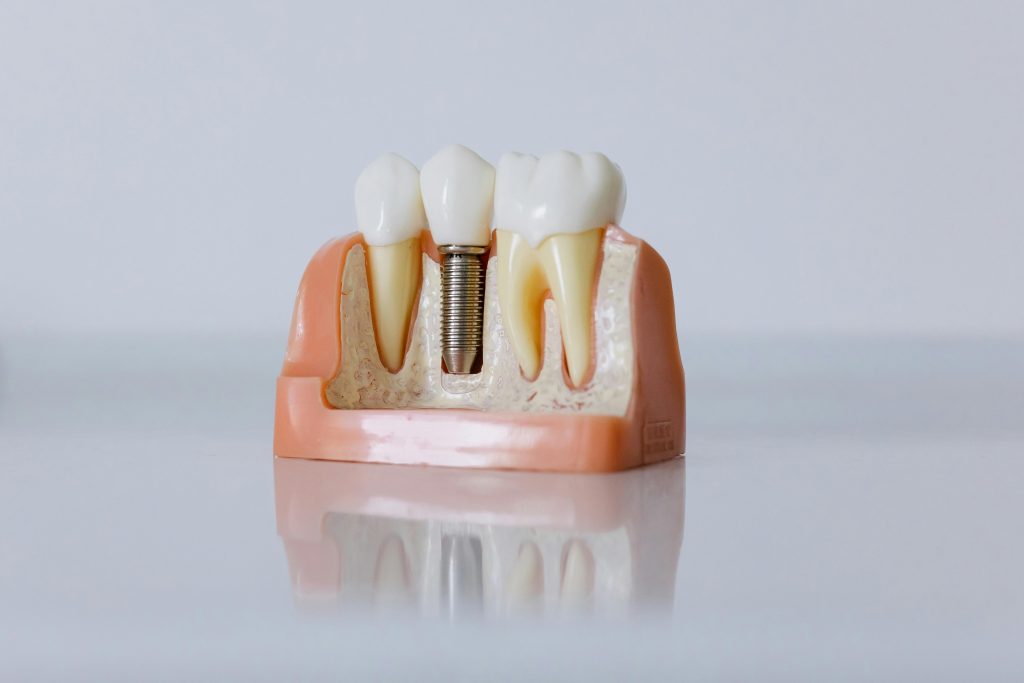
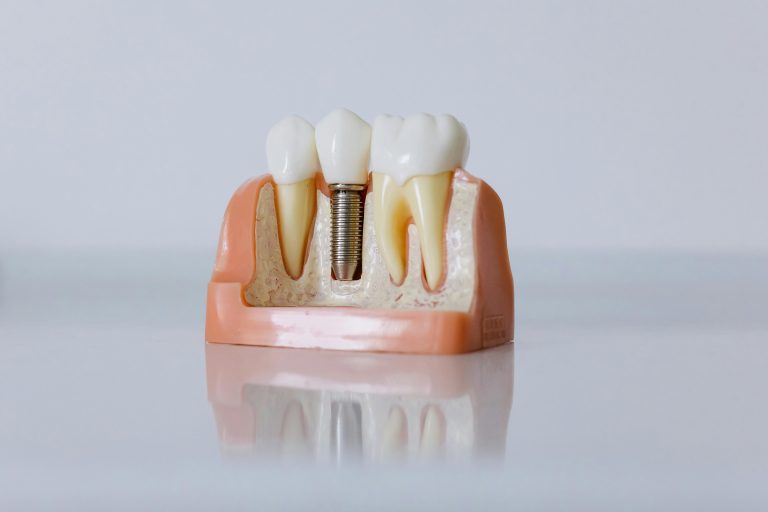
Implant placement is performed under local anaesthetic, ensuring comfort during the procedure. Most patients report minimal discomfort afterwards.
With proper care and regular reviews, implants can last many years.
Healing times vary, but many cases are completed over several months to allow proper bone integration.
The cost of dental implants can vary depending on the number of implants required, the type of restoration, and whether additional procedures such as bone grafting are needed. During your consultation, a personalised treatment plan will be created with a clear breakdown of costs and available payment options.
Smokers can still receive dental implants, but smoking may affect healing and the long-term success of the implant. Dentists often recommend reducing or stopping smoking during the healing period to improve implant integration and overall treatment outcomes.
Dental implants have a very high success rate, often reported at over 95% when placed by experienced clinicians. Success depends on factors such as good oral hygiene, healthy gums, and regular dental check-ups to maintain the surrounding tissues.
Most adults who have one or more missing teeth can be suitable for dental implants. Ideal candidates generally have healthy gums, adequate jawbone to support the implant, and good overall oral health. Even if some bone loss is present, treatments such as bone grafting may still make implants possible after an assessment.
Dental implants should be cared for in the same way as natural teeth. This includes brushing twice a day, flossing or using interdental brushes, and attending regular dental check-ups. Good oral hygiene helps keep the surrounding gums healthy and ensures the long-term success of the implant.
Implants do not rely on neighbouring teeth for support and help preserve bone structure, making them a strong long-term solution.
Need help?
Getting in touch with SnapFit Dentures is easy! Our team is friendly, responsive, and ready to assist with everything.
For enquiries, please call
Or Email