
How Long Do Dental Implants Last? What UK Patients Need to Know
Dental implants are widely considered the most durable tooth replacement option available. But when patients at SnapFit Denture Practice ask John Kooli how long they’ll actually last, the honest answer isn’t a single number — it depends on several factors that are partly in your control and partly determined by your clinical situation.
This guide breaks down the realistic lifespan of dental implants, what can shorten it, and what you can do to protect your investment for the long term.
The Short Answer: How Long Do Dental Implants Last?
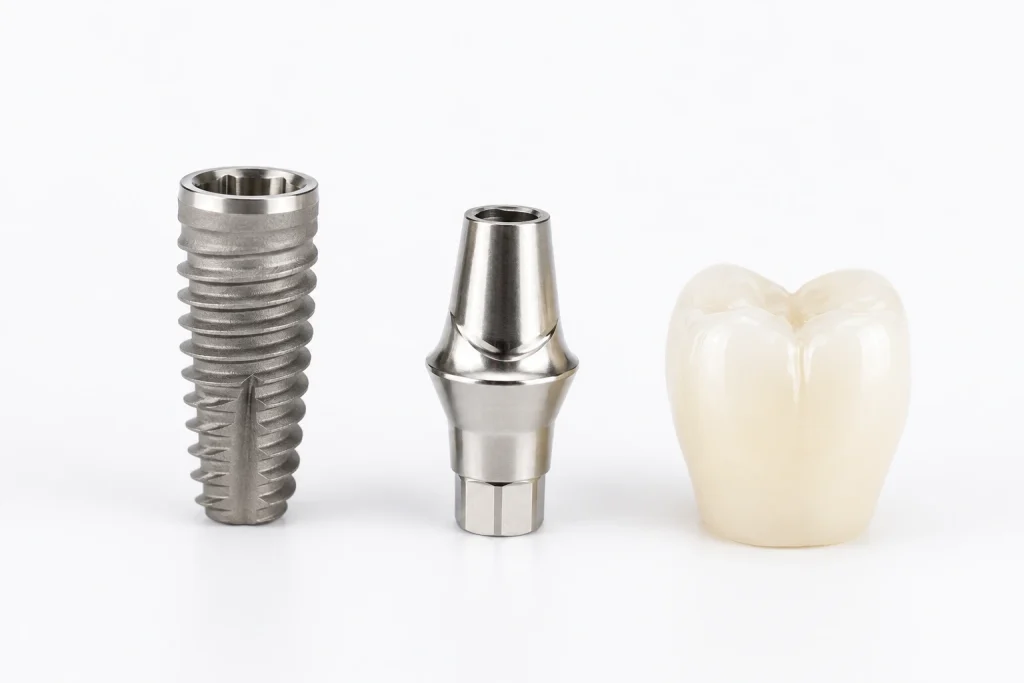
The titanium implant post — the part that goes into your jawbone — can last 20 to 25 years or more with proper care, and in many cases lasts a lifetime. Clinical studies have consistently shown implant survival rates above 95% at ten years, which makes them one of the most predictable interventions in modern dentistry.
The crown, bridge, or denture attached to the implant is a different matter. That restoration sits above the gumline and takes the full force of chewing every day. Crowns typically last 10 to 15 years before they need replacing, though this varies considerably depending on where the implant is positioned, how well you care for it, and lifestyle factors like grinding your teeth.
So when someone asks how long dental implants last, the clinically accurate answer is: the implant itself, very likely decades — the restoration on top, expect to replace it at least once during your lifetime.
What Affects How Long Dental Implants Last?
Bone Density and Quality at the Time of Placement
The implant’s long-term stability depends on how well it integrates with the jawbone — a process called osseointegration. Patients with healthy, dense bone tend to achieve stronger integration and more durable outcomes. Patients with bone loss at the time of placement may require a bone graft first, which adds time to the process but significantly improves the prognosis.
This is one of the reasons a thorough assessment before treatment matters so much. At SnapFit Denture Practice, digital imaging is used to evaluate bone structure before any implant is placed, so we understand what we’re working with from the start.
Gum Health
Gum disease is one of the most common reasons implants fail. A condition called peri-implantitis — essentially gum disease around an implant — causes the bone to recede away from the implant post, gradually destabilising it. It is largely preventable with good oral hygiene and regular professional maintenance, but if left untreated it can lead to implant loss.
Before implant treatment begins, any existing gum disease needs to be brought under control. And once the implant is in place, maintaining healthy gums around it is a lifelong responsibility.
Smoking
Smoking significantly impairs healing after implant surgery and reduces blood flow to the gums, which weakens the tissue around the implant over time. Studies consistently show lower implant survival rates in smokers compared to non-smokers. This doesn’t mean smokers can’t have implants, but it is an important risk factor that should be discussed honestly at the consultation stage.
Position in the Mouth
Implants at the back of the mouth — replacing molars — are under considerably more chewing force than those at the front. This means the crown on a back tooth implant is more likely to wear down or chip over time than one replacing a front tooth. The implant post itself is generally not affected, but restoration replacement may be needed sooner.
Teeth Grinding (Bruxism)
Patients who grind their teeth at night put chronic, excessive force through their implants and restorations. Over time this can cause crowns to crack or loosen, and in more severe cases can affect the implant itself. If you grind your teeth, a night guard is usually recommended to protect the investment.
Overall Health
Certain medical conditions — particularly uncontrolled diabetes and autoimmune conditions — can impair healing and increase the risk of complications around implants. Medications that affect bone density, such as bisphosphonates, are also a consideration. None of these are automatic disqualifiers, but they require careful clinical assessment before proceeding.
How to Make Dental Implants Last as Long as Possible
The good news is that most of the factors that shorten implant lifespan are manageable. Here is what makes the biggest difference in practice.
Brush and Floss Around the Implant Daily
An implant doesn’t decay the way a natural tooth does, but the gum tissue around it is still vulnerable to bacterial buildup. Brushing twice a day and cleaning between the implant and adjacent teeth — with floss or an interdental brush — removes the plaque that causes peri-implantitis.
Attend Regular Dental Check-ups
Professional cleaning and monitoring of the implant site at least once a year gives your dentist the opportunity to catch any early signs of gum recession or bone loss before they become a serious problem. Early intervention is always easier and less costly than treating established disease.
Avoid Using Teeth as Tools
Opening packaging, biting nails, or chewing hard objects like ice puts unnecessary stress on both the implant and the crown. It’s worth treating your implants with the same respect you’d give natural teeth — arguably more, since replacing them is not cheap.
Address Grinding Early
If you know you grind your teeth, talk to your dentist about a night guard before you have implants placed. Protecting the restoration from chronic force is one of the most practical things you can do to extend its lifespan.
Don’t Smoke
If you smoke and are considering implants, reducing or stopping before treatment significantly improves both the healing process and the long-term outcome. This is worth having an honest conversation about at your consultation.
Do Dental Implants Ever Need to Be Replaced Entirely?
The implant post itself rarely needs to be replaced if osseointegration was successful and the patient maintains good oral health. In the relatively uncommon cases where an implant does fail — due to infection, bone loss, or trauma — it can sometimes be removed and replaced after the site has healed, though this depends on the amount of bone remaining.
The restoration (crown, bridge, or denture) is more likely to need attention over time. A crown that chips or wears significantly can usually be replaced without disturbing the implant beneath it, which is one of the advantages of the implant system — the foundation remains intact even when the visible component needs updating.
Dental Implants at SnapFit Denture Practice, Wolverhampton
John Kooli has 21 years of experience in dentistry with a specialism in prosthodontics — the field that covers implants, dentures, crowns, and bridges. At SnapFit Denture Practice in Wolverhampton, implant treatment is planned using digital imaging to ensure accurate placement and the best possible long-term outcome.
We see patients from across the West Midlands including Dudley, Walsall, and Telford. John Kooli is GDC registered (No. 140799), verifiable on the GDC public register.
If you’re considering dental implants and want an honest assessment of whether they’re right for you, a consultation is the best place to start. We’ll examine your bone structure, discuss your medical history, and give you a clear picture of what to expect — with no pressure and no jargon.
Book your implant consultation at SnapFit Denture Practice today.