
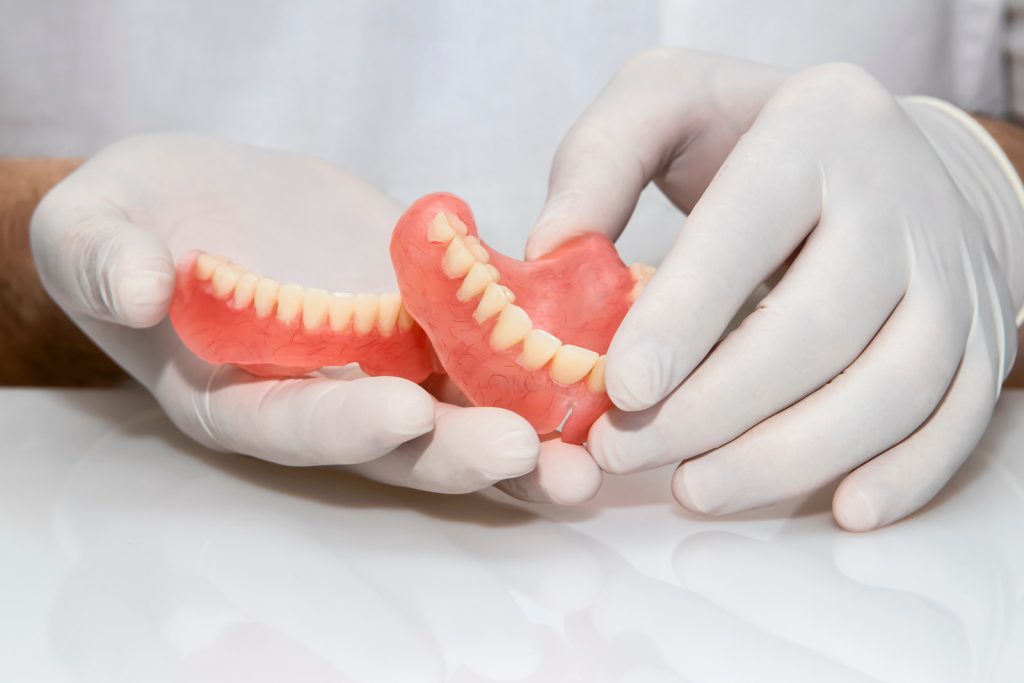
Getting Used to New Dentures: What to Expect
New dentures take some getting used to, and that’s completely normal. Your mouth needs time to adapt to something new, and most patients find that eating, speaking, and everyday comfort improve steadily over the first few weeks. Here’s what that adjustment period usually looks like and how to make it easier.
The First Few Days
It’s common for new dentures to feel bulky or unusual at first, even when they fit well. Increased saliva, a feeling of fullness, and mild soreness in spots where the denture presses against the gum are all typical in the early days. This tends to settle as your mouth adjusts to the shape and presence of the denture.
Eating With New Dentures
Chewing with new dentures is a skill that takes a little practice. It helps to start with softer foods, cut into small pieces, and chew slowly using both sides of your mouth rather than just the front teeth. As your confidence builds, you can gradually reintroduce firmer foods.
A few practical tips make this easier:
Start soft. Mashed potato, scrambled eggs, soup, and similar foods are easier to manage while you’re still adjusting.
Chew evenly on both sides. This helps keep the denture stable rather than tipping it forward.
Take smaller bites. Large bites put more pressure on one area at a time, which can cause discomfort.
Be cautious with hot food and drink. It can take a little time to judge temperature as accurately as you did with natural teeth.
Speaking With New Dentures
A slight change in speech, sometimes a mild lisp or a little extra effort with certain sounds, is common in the first week or two. This usually improves quickly as your tongue and lips adjust to the new shape in your mouth. Reading aloud for a few minutes a day, or simply talking a bit more than usual, helps speed this process along.
Sore Spots and Discomfort
Some tenderness is normal as your gums adjust, but persistent soreness in the same spot usually means the denture needs a small adjustment rather than something to push through. This is a routine part of the process, not a sign that anything has gone wrong. If a sore spot doesn’t ease up after a few days, it’s worth getting it checked rather than waiting it out. The Oral Health Foundation publishes independent denture care guidelines that echo this same advice around monitoring fit and comfort over time.
How Long Does It Take to Adjust?
Most people find the initial adjustment period settles within a few weeks, though this varies from person to person. Factors like the type of denture you have, how much change your mouth is adapting to, and how closely you follow early guidance all play a part. Patience matters here. Small improvements each week are a good sign, even if things don’t feel completely natural straight away.
When to Book a Follow-Up
A follow-up appointment shortly after fitting is a normal part of the process, not a sign something’s wrong. It’s also worth getting in touch sooner if a denture feels consistently loose or if you’re not seeing gradual improvement in comfort, since ongoing looseness is usually fixable with an adjustment. Our guide on problems with loose dentures covers common causes in more detail if that’s what you’re noticing.
Settling Into Your New Dentures
The first few weeks ask for a bit of patience, but most patients find that eating, speaking, and day-to-day comfort steadily improve. If you’re finding the adjustment harder than expected, or a sore spot isn’t settling, don’t wait until your scheduled check-up. At SnapFit Denture Practice in Wolverhampton, we’re happy to see you sooner if something isn’t right. Book a consultation or follow-up and we’ll help get things comfortable again.