
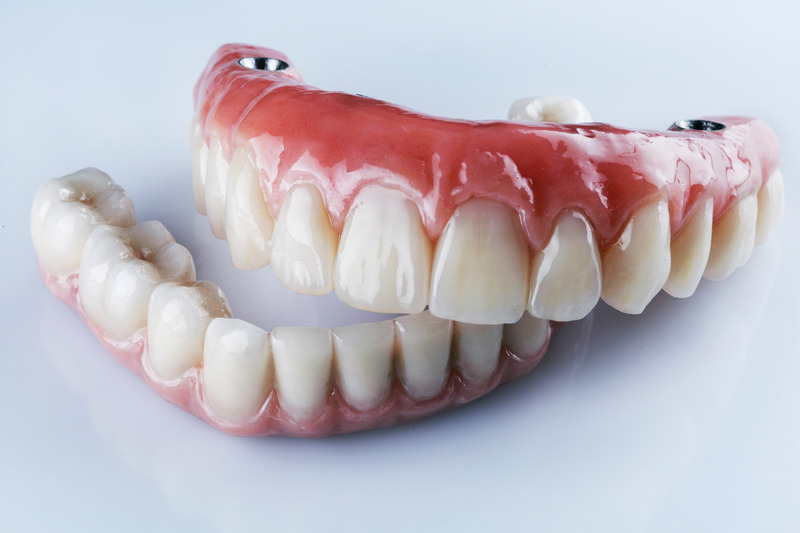
Most dentures last between 5 and 10 years with proper care, though this varies depending on the type of denture, the materials used and how your mouth changes over time. Even dentures that are structurally intact may need relining, rebasing or replacing because the shape of your jaw and gum ridge naturally changes after tooth loss. Dentures do not last a lifetime — most sets need reviewing every 5 to 10 years, and relining is often needed between replacements. If your dentures feel loose, uncomfortable or different from how they used to fit, it is worth booking an assessment sooner rather than waiting.
How Long Do Dentures Last on Average?
The widely accepted guideline is 5 to 10 years, but this is not a fixed rule. Some patients find their dentures need attention well within that window, while others wear the same set comfortably for longer. Much depends on how well you care for them, what material they are made from and the pace at which your underlying bone and gum tissue changes.
The structures dentures sit on are living tissues that continue to change throughout life. After tooth loss, the jawbone begins to reduce in volume through a process called resorption. As the bone changes shape, even a well-made denture that once fitted precisely will gradually become looser. This is why regular professional checks matter, regardless of how old your dentures are.
How Long Do Different Types of Dentures Last?
Full acrylic dentures: Typically 5 to 10 years. The most common type for patients missing all teeth in one or both arches. Relining is often needed before full replacement becomes necessary.
Partial acrylic dentures: Similar lifespan of 5 to 10 years, influenced by changes to remaining natural teeth and the underlying bone.
Chrome cobalt partial dentures: The metal framework is very durable and rarely needs replacing. The acrylic teeth and gum-coloured sections may need updating as they wear. Overall, these can last 10 years or more.
Flexible dentures: Generally 5 to 8 years. The flexible thermoplastic material is durable but can degrade with repeated use and cleaning over time.
Immediate dentures: Considered temporary. Placed on the same day as extractions, these are usually replaced with a permanent set within 6 to 12 months once the gums and bone have healed and settled.
What Is the Longest-Lasting Type of Denture?
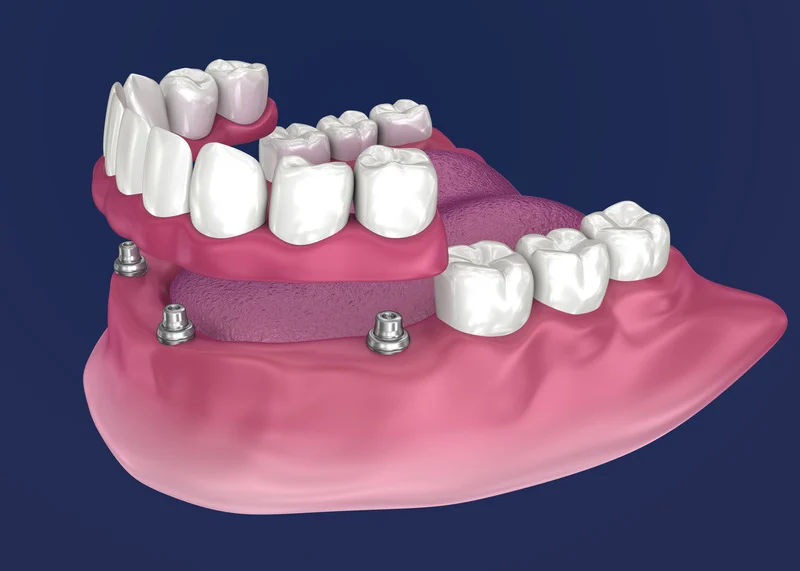
Implant-retained dentures offer the longest-lasting solution. The implants themselves can remain in place for 20 years or more, while the denture superstructure typically needs replacing every 10 to 15 years. Among conventional (non-implant) options, chrome cobalt partial dentures are the longest-lasting, thanks to the durability of the metal framework.
What Affects How Long Dentures Last?
Several factors influence how long a set of dentures remains comfortable and well-fitting:
- Bone resorption: The most significant factor. After tooth loss, the jawbone gradually reduces in volume, changing the shape of the gum ridge your denture rests on. This process cannot be stopped, only managed.
- Weight changes: Significant weight loss or gain can alter the shape of the face and mouth, affecting how dentures sit.
- Cleaning and care habits: Poor denture hygiene accelerates surface wear, staining and deterioration. See our guide on how to clean dentures for a complete care routine.
- Accidental damage: Dropping dentures is the most common cause of cracking or chipping. Always handle them over a folded towel or a basin of water.
- Grinding or clenching: This places additional stress on the denture teeth and base, accelerating wear beyond the normal rate.
- Diet: Biting repeatedly on very hard foods puts stress on the acrylic structure and the denture teeth.
Signs Your Dentures Need Attention
Loose or Ill-Fitting Dentures
This is one of the most common signs that something has changed. Dentures that move noticeably when you eat or speak, or that feel different from how they used to fit, need assessing. Loose lower dentures in particular can be very difficult to manage and often indicate significant bone resorption beneath them.
If you have new dentures that feel loose, some movement during the adjustment period is normal — this settles as your mouth adapts over the first few weeks. However, if they remain unstable after a few weeks, speak to your denture clinic rather than waiting.
Visible Wear, Chips or Cracks
Flattened denture teeth, cracks in the acrylic base or any broken component are clear signs that a repair or replacement assessment is needed. A damaged surface also harbours bacteria and can cause sore spots where it presses unevenly on the gum.
Changes to Your Face Shape or Bite
Your face shape changes gradually as the jawbone resorbs after tooth loss. If your chin looks closer to your nose than it used to, or if your cheeks appear sunken, your dentures may no longer be providing the facial support they once did. A changed bite that was not there before is another indicator.
Difficulty Eating or Speaking
Avoiding certain foods or finding that speech has become less clear are common signs of a changed denture fit. Neither should be accepted as simply part of wearing dentures.
Persistent Sore Spots or Ulcers
Dentures that no longer fit correctly create pressure points on the gum tissue. Left unaddressed, these sore spots can become ulcers and increase the risk of soft tissue infection.
Why Do Dentures Become Loose Over Time?
The main reason is bone resorption. When natural teeth are present, the roots stimulate the jawbone through the daily forces of chewing. Once those teeth are gone, that stimulation stops, and the bone gradually reduces in volume. This is most rapid in the first year after extraction but continues slowly throughout life.
Because your dentures were made to fit the shape of your gum ridge at a specific point in time, they become progressively less accurate as the bone changes beneath them. This is normal and expected, not a sign that your dentures were poorly made.
Weight loss is another common cause, as the fatty tissue in the cheeks and jaw reduces alongside body weight. For more on the broader effects of tooth loss on your jaw and health, see our post on what happens if you do not replace missing teeth.
What to Do If Your Dentures Are Loose
The right course of action depends on what is causing the looseness and how significant it is:
- Denture adhesive: A short-term option for managing mild looseness, but not a long-term solution. If you are consistently relying on adhesive to keep your dentures in place, it is a sign that the fit needs professional attention.
- Denture reline: The fitting surface of the denture is resurfaced with new material to improve contact with the current shape of the gum ridge. This can restore a good fit without a full replacement.
- Denture rebase: Similar to a reline, but involves replacing the entire acrylic base while retaining the existing teeth. Used when the base has deteriorated but the teeth themselves are still serviceable.
- New denture: When the fit is significantly compromised, the teeth are worn or the denture structure is damaged, a replacement is often the most practical and cost-effective long-term option.
Can I Fix Loose Dentures at Home?
No. Attempting to adjust or repair loose dentures at home using adhesive from a hardware or department store is not a safe fix. These products are not formulated for oral use and can damage the denture material as well as the soft tissue in your mouth. Denture adhesive designed for oral use can manage mild looseness temporarily, but a professional reline or rebase is the appropriate solution once the fit has genuinely changed.
Common Denture Problems and What Causes Them
Upper Denture Problems
Upper full dentures typically rely on suction against the palate for retention. When the upper gum ridge resorbs, this suction weakens. A dry mouth, which is common with many medications, also reduces retention by limiting the saliva that helps the denture adhere.
Lower Denture Problems
Lower full dentures are notoriously harder to keep stable due to the smaller surface area of the lower gum ridge and the constant movement from the tongue and jaw muscles. Many patients with lower denture problems find that implant-retained options offer significantly better stability.
New Denture Wearer Problems
If you are wearing dentures for the first time, some initial looseness and discomfort is normal as your mouth adjusts. Eating softer foods and speaking slowly in the early weeks helps. If problems persist beyond a month, return to your denture clinic for a review.
Partial Denture Problems
Changes to your remaining natural teeth, such as new fillings, extractions or natural movement, can affect how a partial denture sits. Keep your dental team updated about any changes to your natural teeth, as these can affect the partial denture fit.
When Should Dentures Be Replaced?
Dentures should be professionally assessed and likely replaced if they:
- Are more than 7 to 10 years old and the fit has noticeably changed.
- No longer stay in place comfortably without relying on adhesive.
- Show visible cracks, chips or significantly worn teeth.
- Are causing persistent sore spots or pressure discomfort.
- Have changed noticeably in how they sit or in how your face looks with them in.
In some cases, a reline or repair will extend the life of existing dentures for several more years. In others, particularly where the gum ridge has changed substantially or where the teeth are significantly worn, a new set is the better investment.
If you are starting to question whether dentures remain the right choice for you long term, our guide on dental implants vs dentures covers the key differences and considerations.
Do I Need a Replacement or Just a Reline?
A denture assessment at your clinic will establish this. If the denture structure and teeth are in good condition but the fit has changed, a reline may suffice. If the teeth are worn, the base is cracked or the fit is substantially compromised, replacement is more likely to be recommended.
How to Make Your Dentures Last Longer
Good daily habits make a measurable difference to how long dentures remain comfortable and well-fitting. Follow a consistent denture cleaning routine, handle your dentures carefully, keep them moist when not in use and attend regular professional reviews. Having your dentures checked every 12 to 18 months gives your denture clinic the chance to spot small fit changes before they become significant problems.
Book a Denture Assessment
If your dentures are feeling loose, uncomfortable or have not been professionally assessed recently, our team at SnapFit Denture Practice in Wolverhampton is here to help. We will assess the fit and condition of your current dentures and advise on the most appropriate next step.